Tui Na and gliding cupping
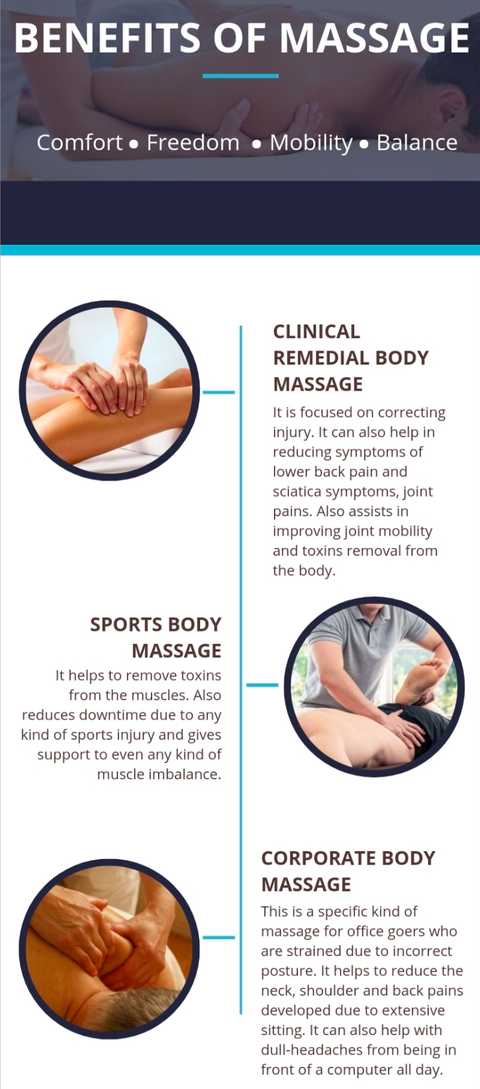
The Mind Body Experience combines fast, medical-style Tui Na strokes with gliding cupping to address tight muscles and fascial restrictions commonly seen after sports or heavy labor. These techniques focus on moving tissue quickly and rhythmically to encourage circulation and reduce the feeling of stiffness; they are applied with intent to support recovery, not to replace medical care.
Clients typically describe targeted pressure and focused movement rather than a general relaxing rub; therapists use varying speed and depth to find the right stimulus for each area. Expect the therapist to locate tight spots and address them directly, working along muscles and pressure points identified during the intake and through motion testing.
Session structure and timing
A typical appointment begins with a short intake to confirm recent activity, injuries, and goals, followed by warm-up strokes, focused Tui Na work, and gliding cupping on problem areas. Sessions at The Mind Body Experience run for 60 MINUTES and are designed to leave you feeling looser and less sore after a single treatment.
Booking is convenient for Raeford residents who commute to Fort Liberty or Fayetteville: the downtown Prospect Avenue location near the Hoke County Courthouse offers evening and weekend appointment slots that fit family schedules and shift work. Demand rises in April, June, and October when outdoor training and races increase local activity.
Recovery planning and follow-up care
Therapists will discuss frequency and short-term goals based on how you respond—some clients feel meaningful relief after one visit while others schedule recurring sessions during intense training periods. Practical follow-up often includes simple mobility suggestions and self-care tips you can use between appointments to maintain gains and reduce recurring tightness.
Because local clients balance commuting, family schedules, and outdoor work, our approach emphasizes efficient, results-focused sessions that fit into busy lives. Many clients choose regular monthly maintenance or targeted visits around competitions; the therapist will help you decide based on soreness patterns, activity level, and availability.